Professional Ship Simulator Ship List and Tier Notes
What to sail first, what to unlock later, and why a cruise ship is a terrible classroom.
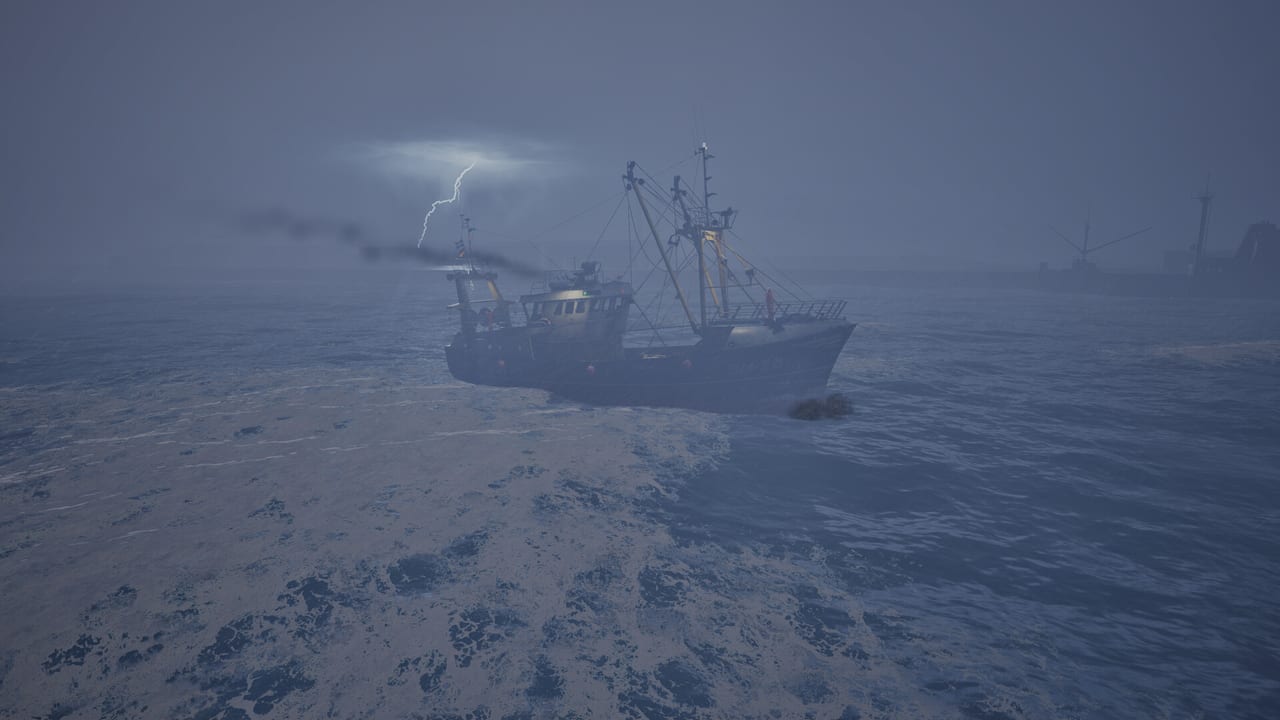
Professional Ship Simulator is a fleet sim. Steam lists tugboat, fishing trawler, rescue vessel, offshore ship, yacht, container ship, bulk carrier, LNG tanker, and cruise ship. The official feature page also names a pilot boat, coast-guard craft, small and large rescue hulls, a medium yacht, and a Pilot V2 demo add-on. More ships are promised during Early Access. This hub ranks them by learning value and job fit, not by hit points. There is no combat tier list here.
Steam Early Access is scheduled for 16 September 2026. Demo availability is a subset. Always check which hulls your build actually spawns before you plan a career around an LNG run.
How to read these tiers
- S — best teachers. Short, thruster-rich, cameras that make sense. Start here in the getting started hour.
- A — specialist workhorses. Tugs, rescue, offshore, fishing. High skill ceiling, still readable.
- B — merchants you unlock when ready. Container, bulk, ferry-like work. Long, blind, cargo-sensitive.
- C — statement pieces. LNG and cruise. Spectacular, unforgiving, wrong for night one.
Full write-ups: beginner ships, workboats, commercial fleet.
Quick ranking
S — Pilot boat / small rescue / small trawler. You can see the bow, you can feel bank effect, and a mistake is a scrape instead of a career event. The official tutorial’s pilot ship Dolphin is the platonic ideal.
A — Tug, large rescue, offshore vessel, coast-guard craft. These exist to work. Tugs teach lines and positioning for other people’s mistakes. Rescue and offshore add speed, monitors, and ugly weather. They still belong after you can dock a small hull cleanly.
B — Yacht, container ship, bulk carrier. The yacht looks like a toy and behaves like a wind-catching liability. Container and bulk are the career dream: cargo mass changes physics, wing stations matter, and harbor geometry gets tight. Take them when waypoint autopilot and CPA are comfortable — see how to play.
C — LNG tanker, cruise ship. Creator videos love them because they photograph well and they scare people. Calais–Dover in 80-knot wind is a mission, not a tutorial. Cruise ships hide the bow and punish camera laziness. Unlock them, then treat the first trip as a supervised exam.
Licenses, credits, and not skipping the queue
Career mode starts you as a small harbor operator. Credits and licenses gate larger classes. That is the point. Buying a tanker you cannot berth is how you farm XP penalties. Match jobs from the missions page to the hull: nets on trawlers, fire monitors on the offshore ship, cargo on merchants, assist jobs on tugs.
Physics are shared, but the numbers change. Propeller walk, windage, and stopping distance scale with the ship. A trick you learned on a pilot boat will be directionally true on a bulk carrier and still get you in trouble if you copy the timing. Re-store cameras per class. Re-map thruster axes if the larger ship has more of them.
Modded ships are a later story. Editors are planned after Early Access begins, not on day one. Until then, sail the official roster and use maps to pick waters that fit the length overall.
If you only remember one line from this hub: small ship, daylight, boring harbor, then graduate. The review explains why that loop is the product. The updates hub is where we will note new hulls as SWE Systems adds them.
Frequently Asked Questions
Quick answers before you take the helm.
What is the best first ship?
A pilot boat, small rescue craft, or small trawler. Read the beginner ships page for why.
Are all Steam-listed ships in the demo?
Not necessarily. The demo is a subset. Check the in-game selector; Early Access on 16 September 2026 is the broader fleet.
Is this a combat tier list?
No. Rankings are for training value and job fit in a civilian maritime sim.